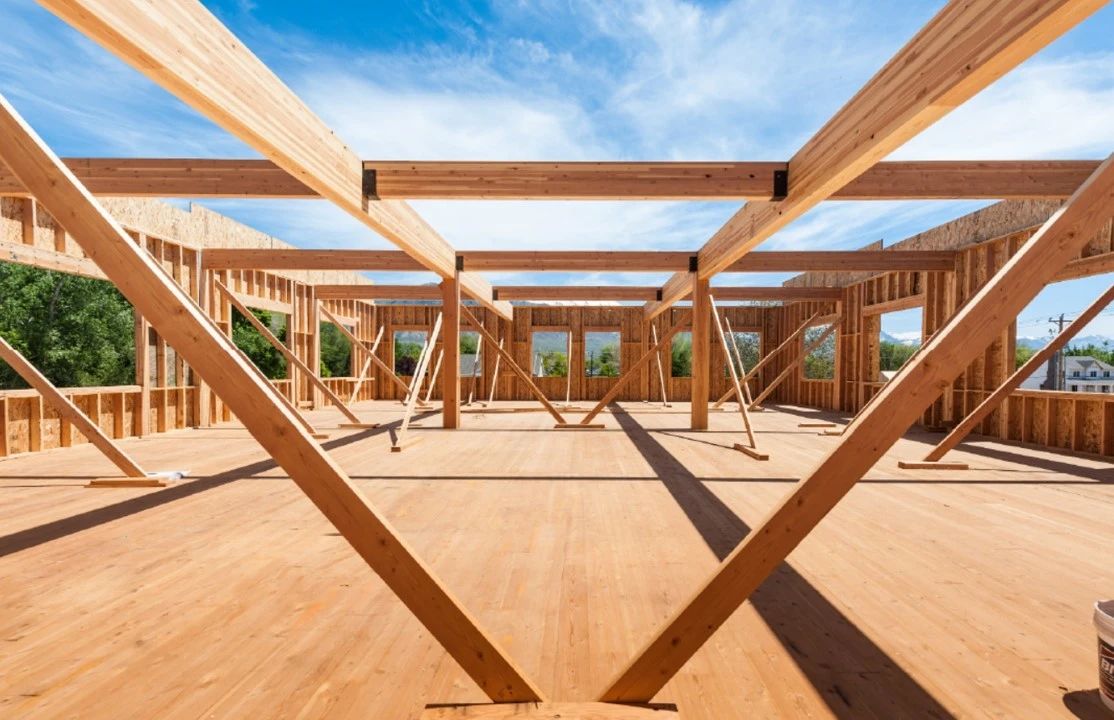
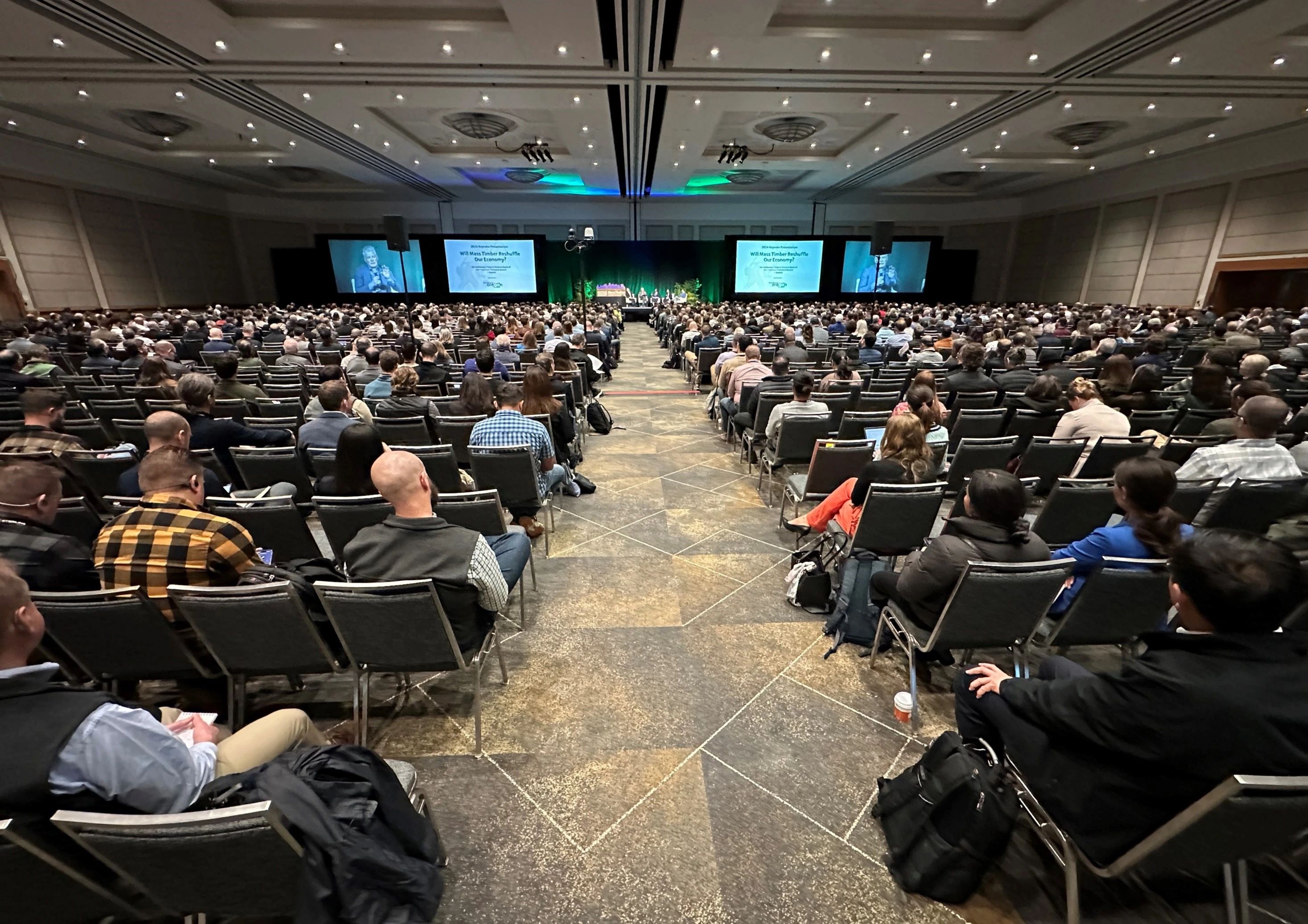
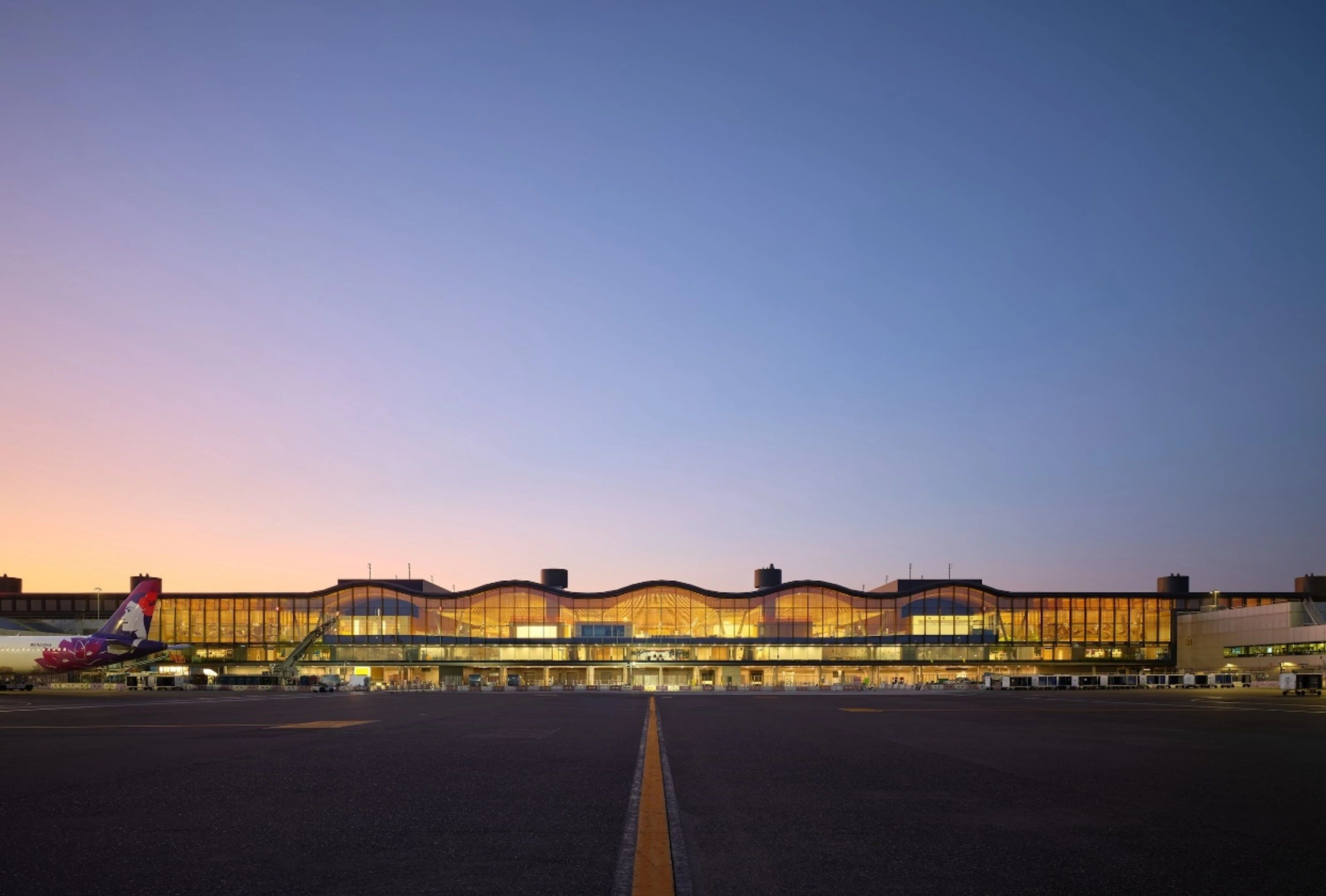
 The 2024 International Wood Structure Industry Development Seminar was successfully held on September 6th in Rizhao, Shandong. The 2024 International Wood Structure Industry Development Seminar was successfully held on September 6th in Rizhao, Shandong. At the meeting, Xu Fang gave a report on the latest developments in American timber architecture. From a conference with only over 200 attendees in 2015 to the current international grand wooden event with a scale of 3500 people, Large wooden structures are attracting global attention. A large-scale wooden structure project represented by the new terminal building of Portland International Airport, Show its unique charm. This article will delve into the definition, materials, current development status, policies and regulations, seismic and fire prevention technologies, and sustainable development prospects of large timber structures. Introduction of Large Wooden Structure Buildings At the end of March this year, the International Conference on Large Timber Structures held in Portland had a scale of 3500 people, compared to just over 200 people in 2015. The number of attendees has increased from mainly industry professionals to 75% of architects, developers, and government departments. March 2024 International Timber Construction Conference Taking the new terminal building of Portland International Airport as an example, it was put into use on August 14th, covering an area of 9 acres (about 40000 square meters) with an investment of 2 billion US dollars. It is currently the largest single wooden structure building in the world and has attracted a lot of attention. Portland International Airport Terminal Definition and Materials of Large Wooden Structures The term 'large' in large timber structures refers to the size and cross-section of the components. It is a timber structure constructed using large-size timber structures, typically consisting of large engineering wood panels and engineering wood beams and columns, with structural forms such as beams, columns, or wall panels.
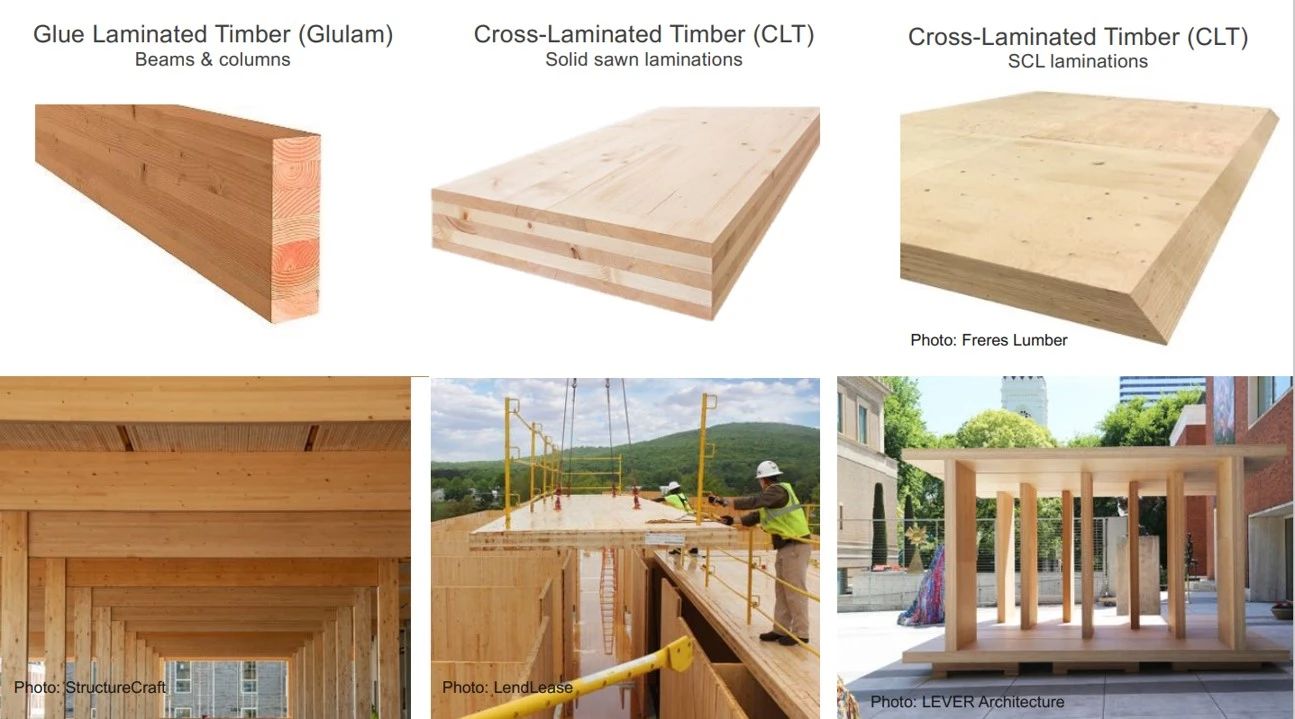
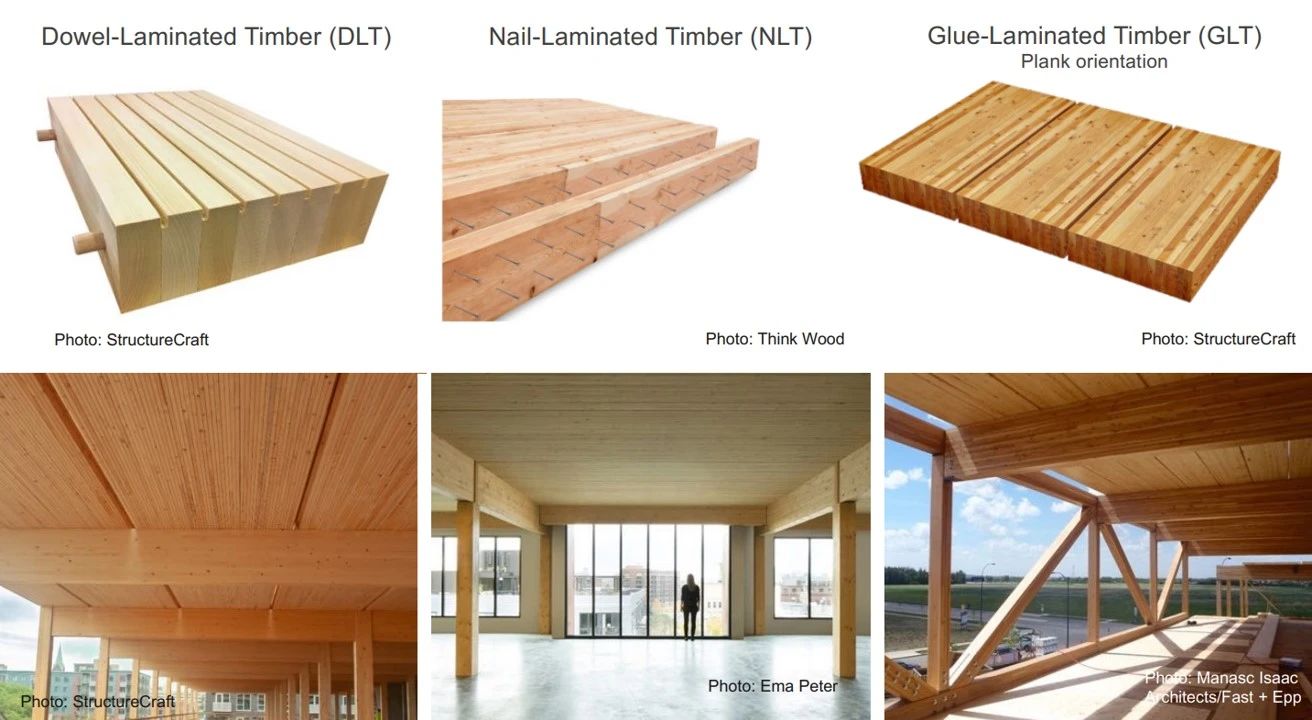
2. Materials Large wooden structural materials Large wooden structural materials include glued laminated beams, orthogonal glued laminated timber, thick plates made of specification glued laminated timber, and engineering composite materials (such as laminated timber or glued laminated timber, etc.), all of which are marked with "LT" at the end. The author translated them as "spliced panels", such as hinged spliced panels (assembled with wooden pins, DLT), nailed spliced panels (assembled directly with nails, NLT), etc., which are used separately from the "GLT" of large beams. Large wooden structural materials
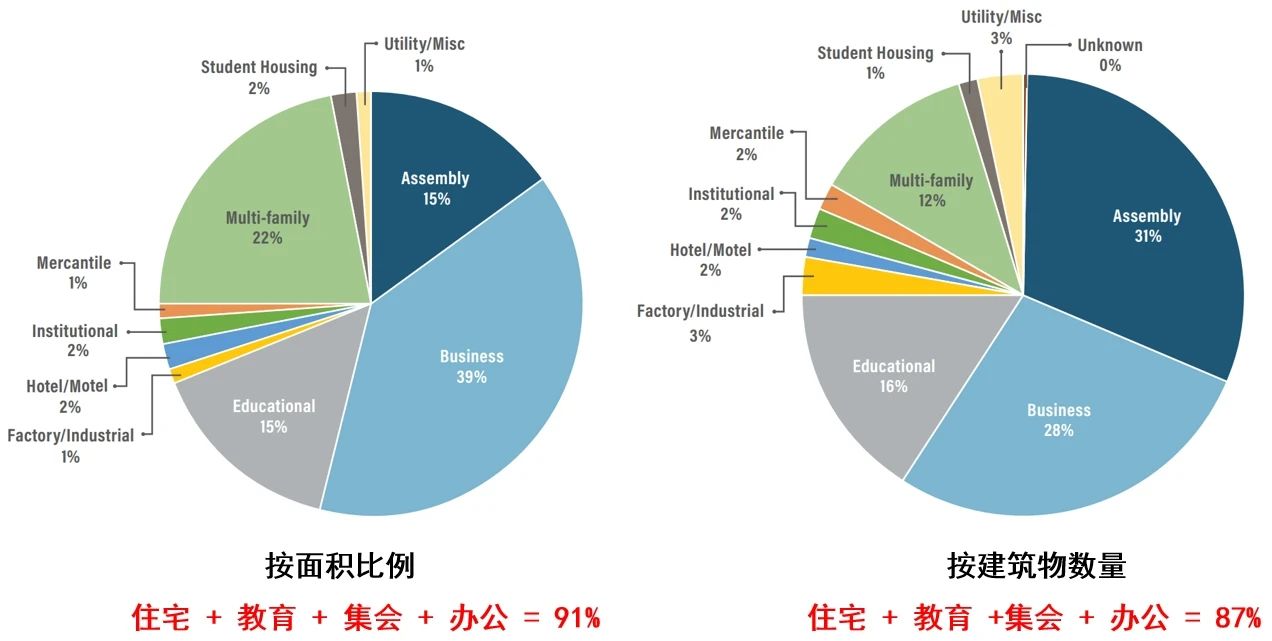
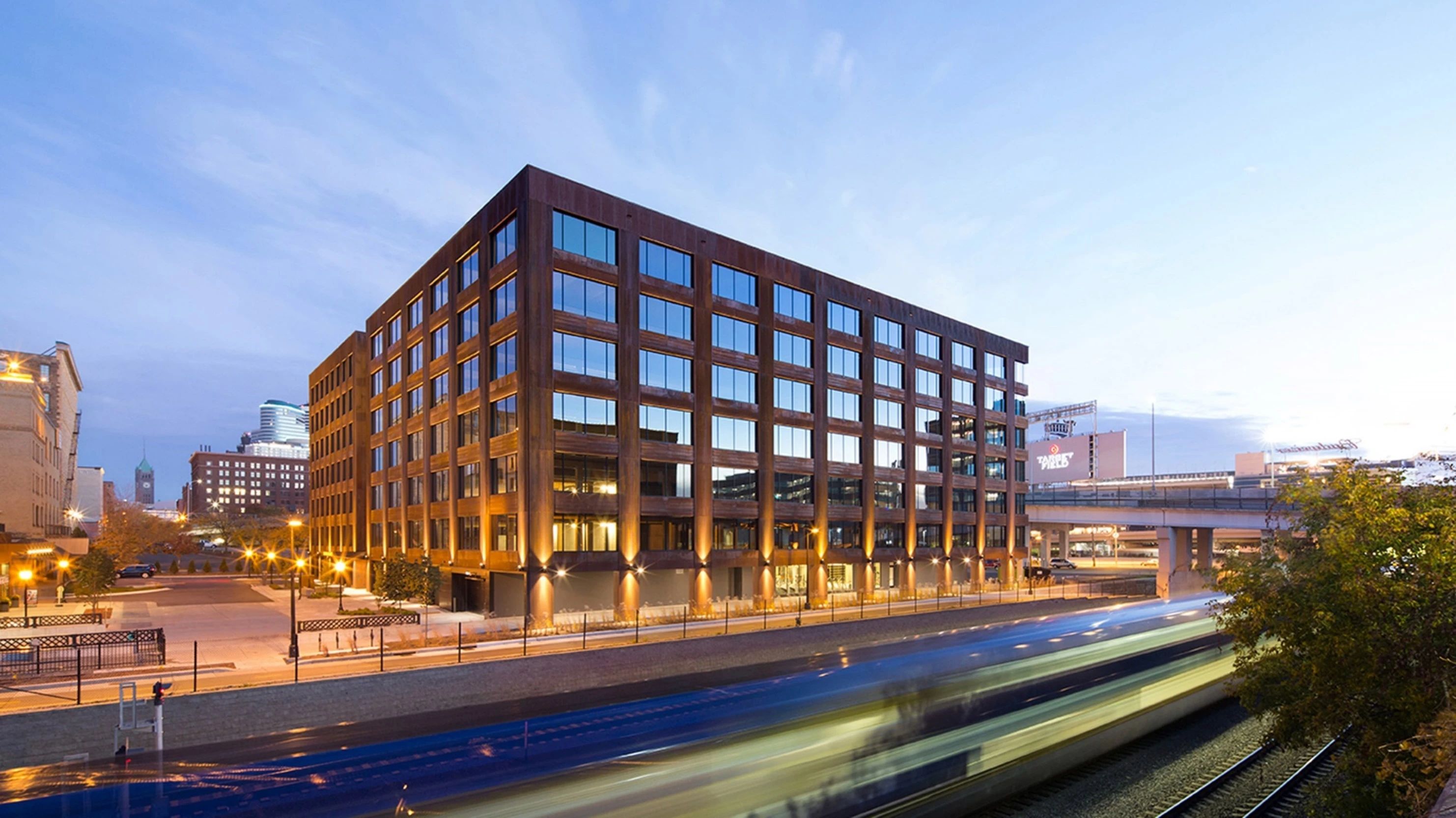
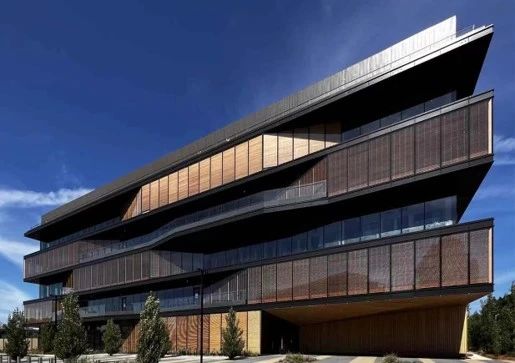
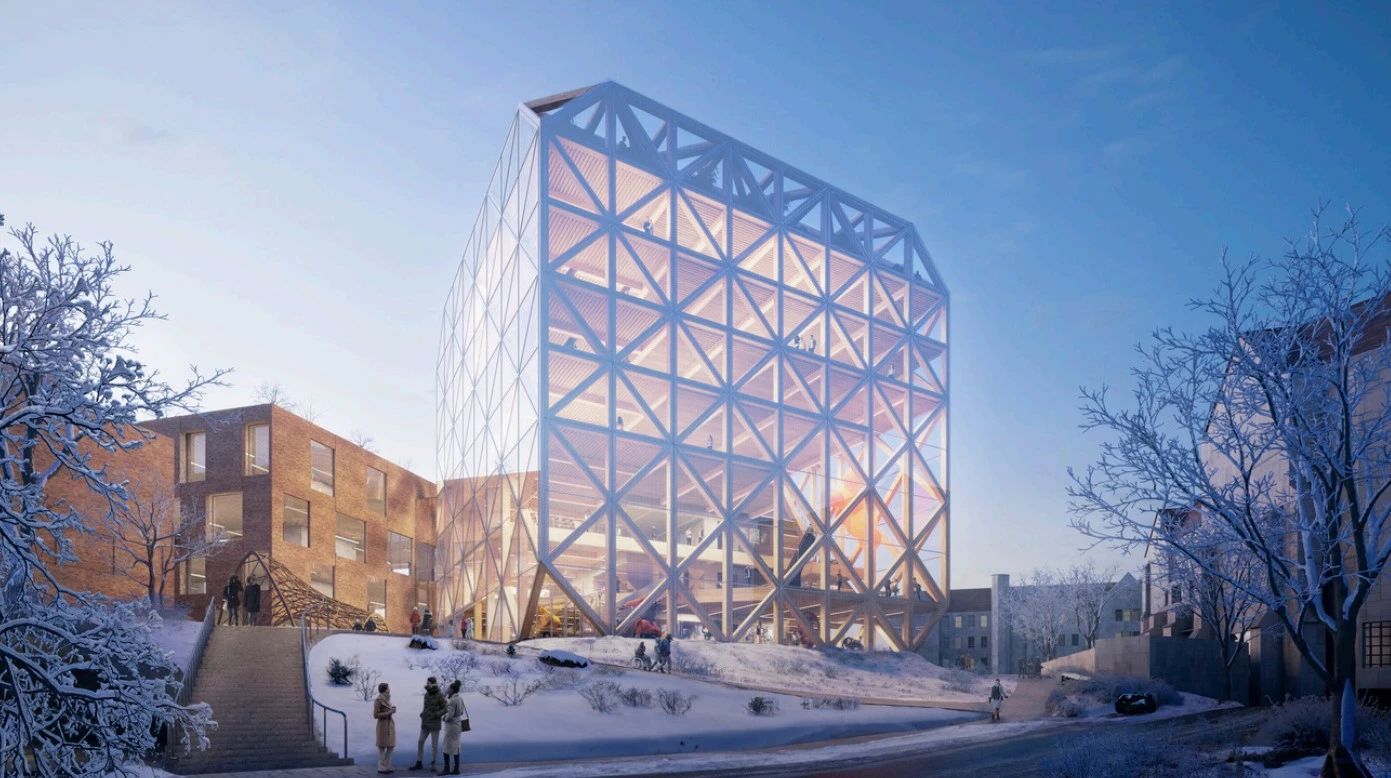
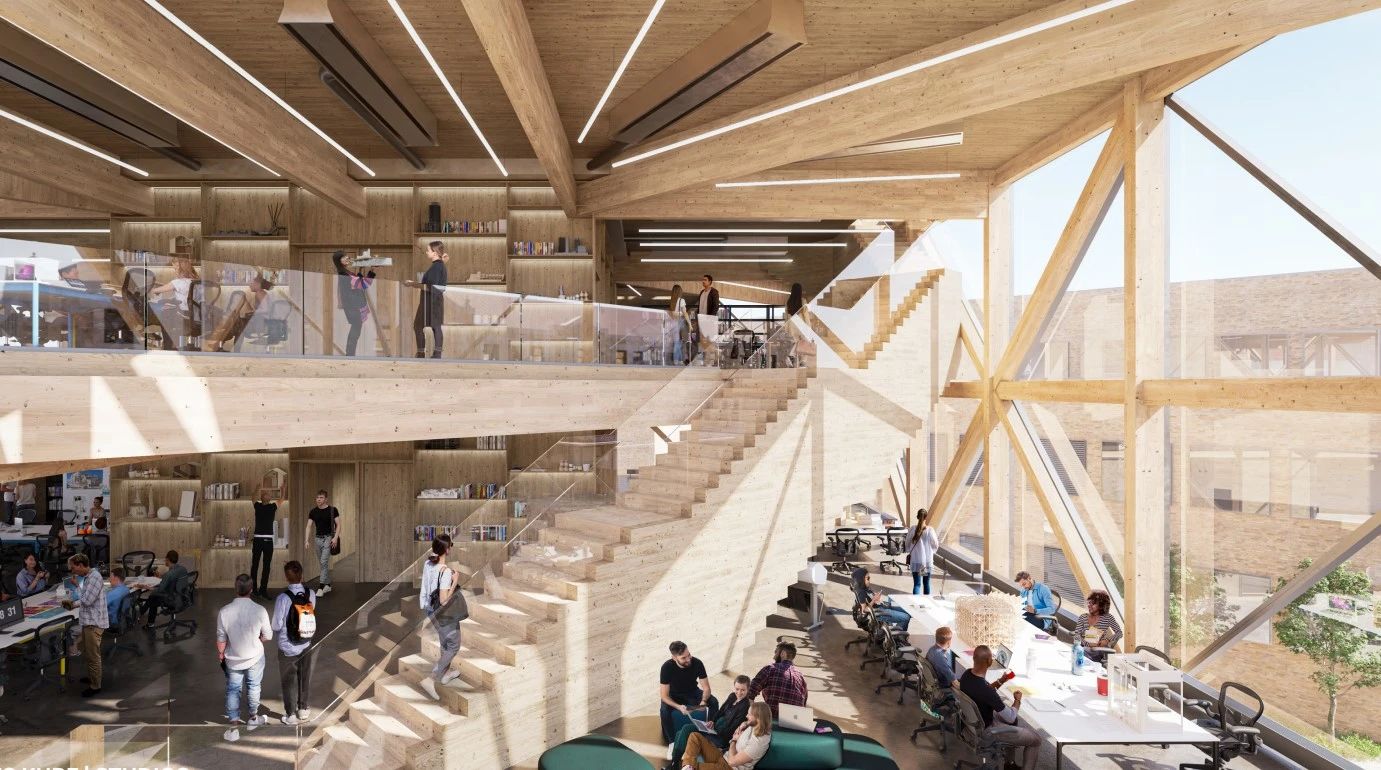
The Latest Development of Large Wooden Structure Buildings The latest developments in American timber architecture In the large timber structure market, the four categories of multi family residential buildings, educational buildings, gathering buildings, and office buildings combined account for over 90%. 3.office buildings T3 office building, designed in 2016, is located in Minneapolis, Vancouver. It is a seven story wooden office building with a panel structure, using glued laminated panels and glued laminated timber columns. Google office building The Google office building, located in Sunnyvale, California, features large wooden structures for public spaces. Glass Center The Glass Center is located in downtown Seattle, with a roof made of solar wood and strict green certifications such as LBC certification. It is fully off grid for water, electricity, and sewage, and uses nails and slabs on the floor. It is a building participated in by the founders of Earth Day and an example of the use of wooden structures in the construction of the School of Architecture and Design at the University of Kansas.
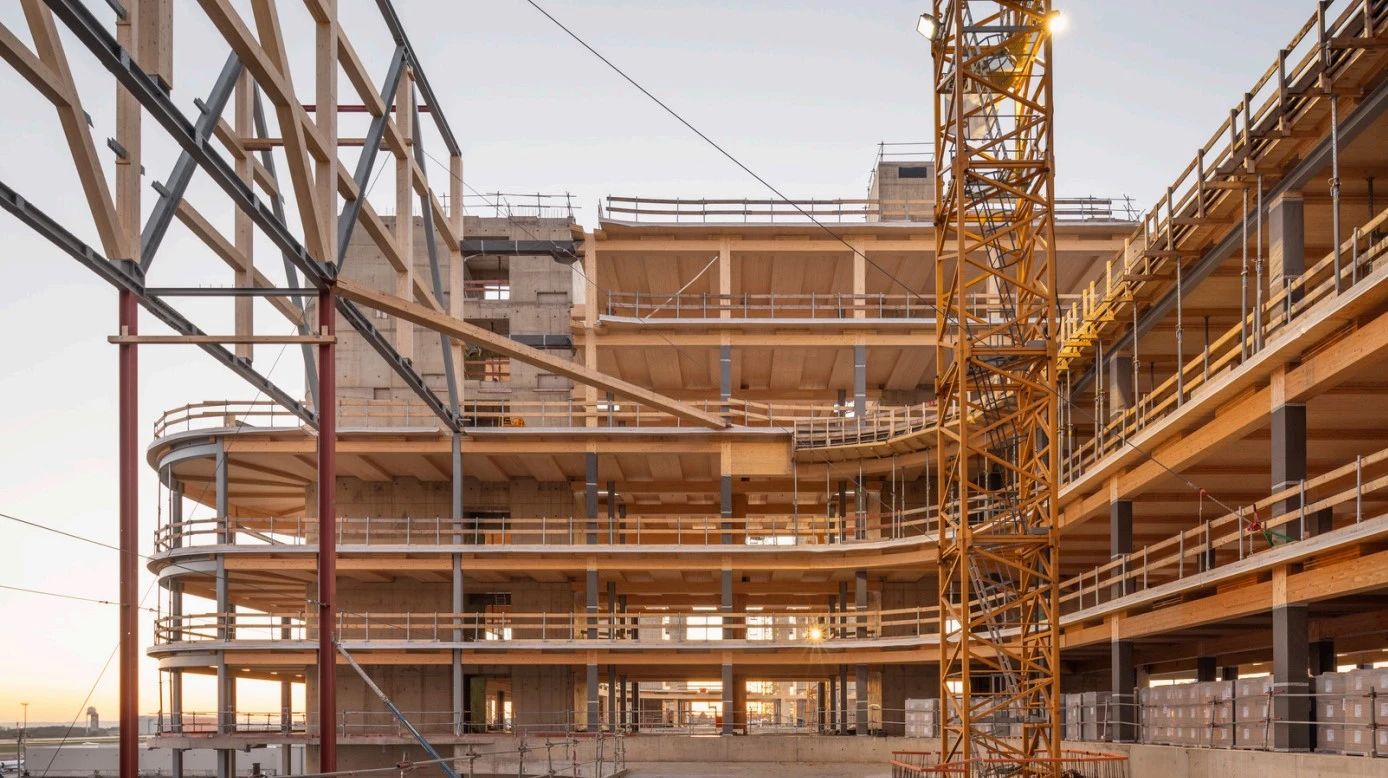
Luxembourg Airport Luxembourg Airport is the largest wooden airport in Europe.
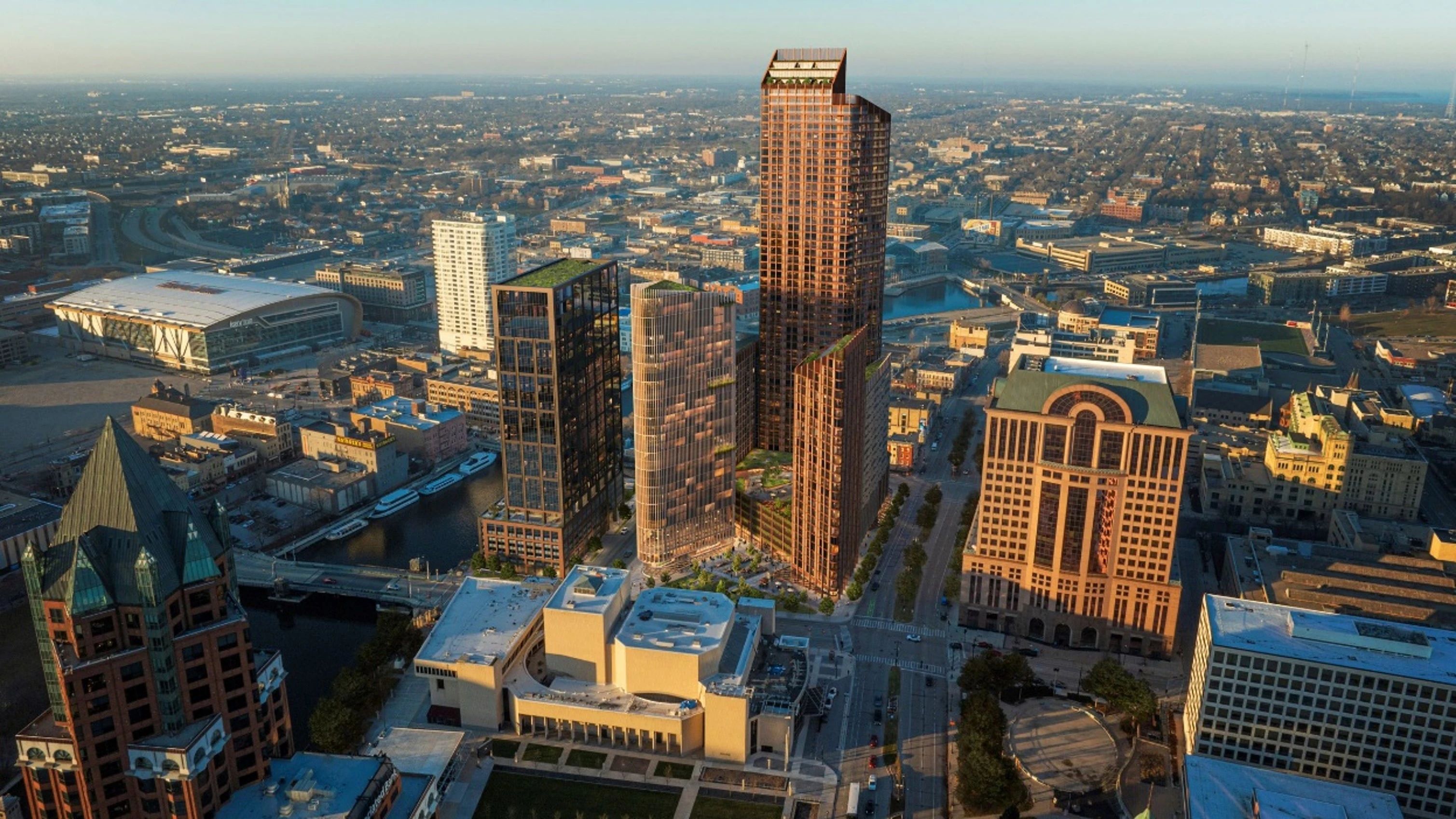
Ascent Building
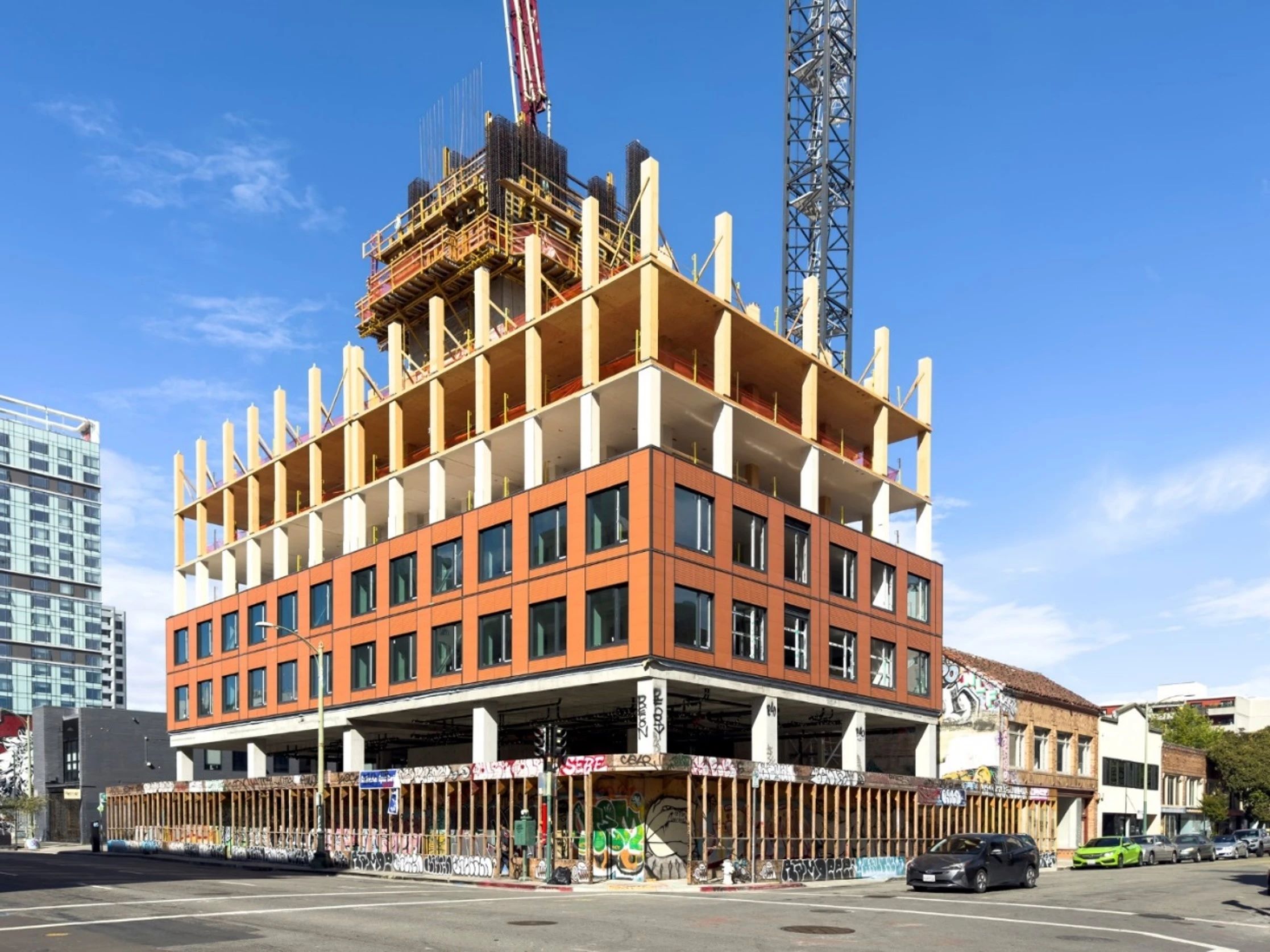
The 18 story student apartment building at UBC in Canada in 2016 is refreshing, and the 25 story large wooden structure Ascent apartment building was completed in 2020. Since then, new apartments at Sydney Central Station have been under construction. 1510 Webster Street, Auckland Residence Auckland has the world's first 19 story high-rise apartment built with giant plywood, with a structural form similar to Canadian student apartments. It has two elevator shafts as the core tube, columns and floors made of giant plywood, and metal connecting wires in the middle. The construction speed is fast, and the exterior walls are fully prefabricated.
The US Department of Agriculture strongly supports the timber structure industry, such as the US Agriculture and Forestry Service providing funding for education, technical assistance, research and development, and new initiatives, forming a board of directors to decide on the use of funds, and government regulation. The government advocates and invests in large timber structures, believing that using small and medium-sized materials to make beams, columns, and building components can contribute to healthy forest management and reduce the risk of wildfires, achieving sustainable development. The US Congress promotes the development of large timber structures
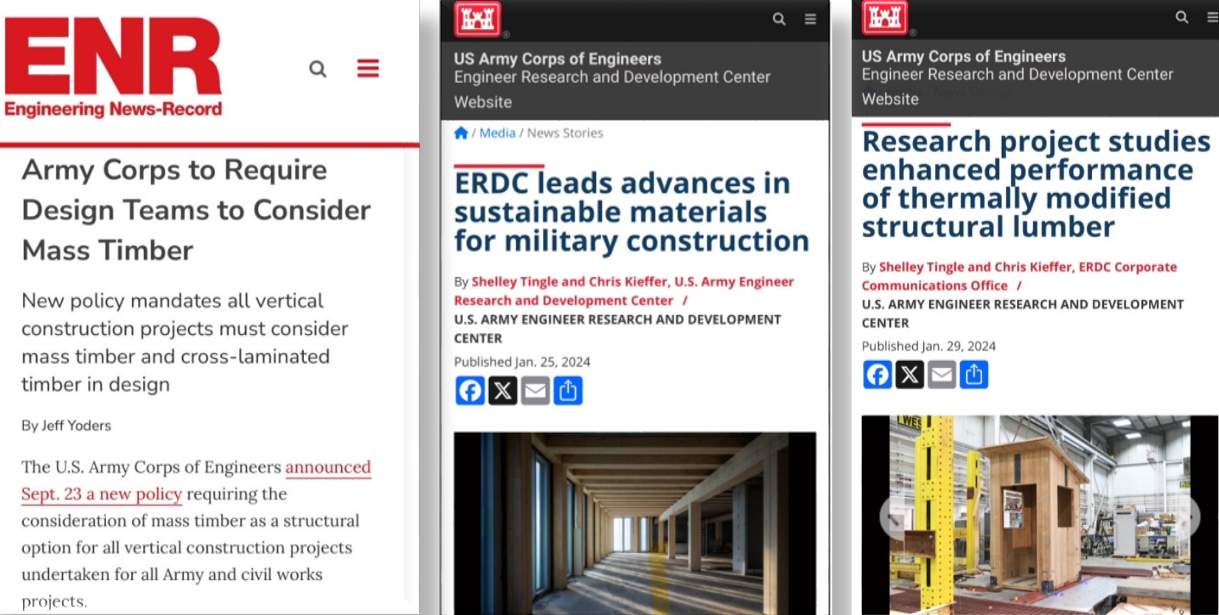
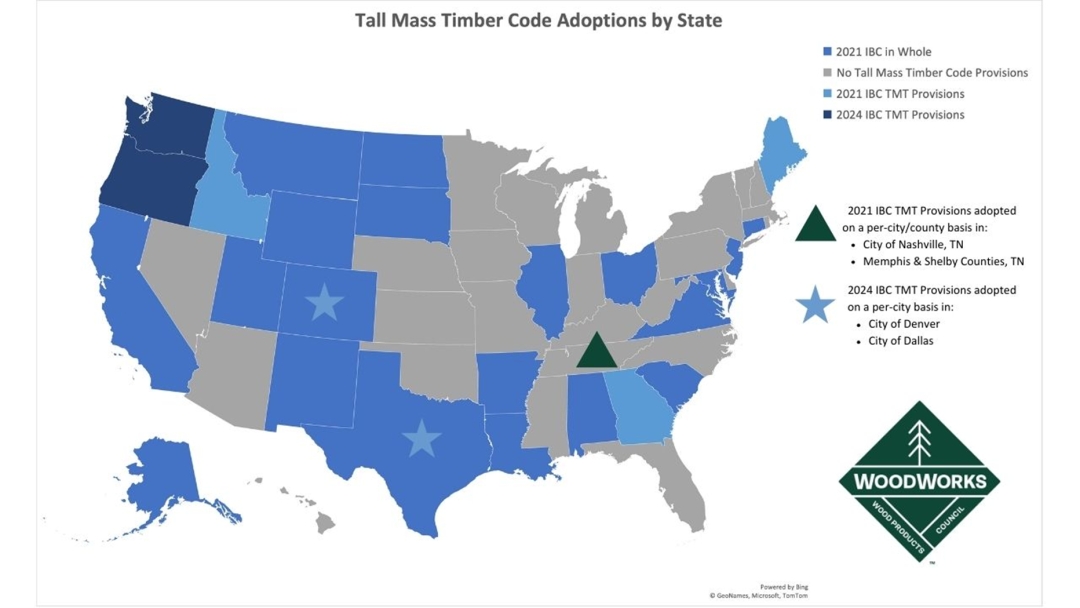
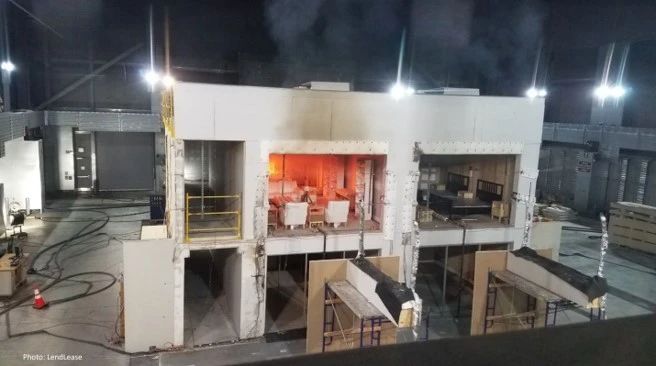
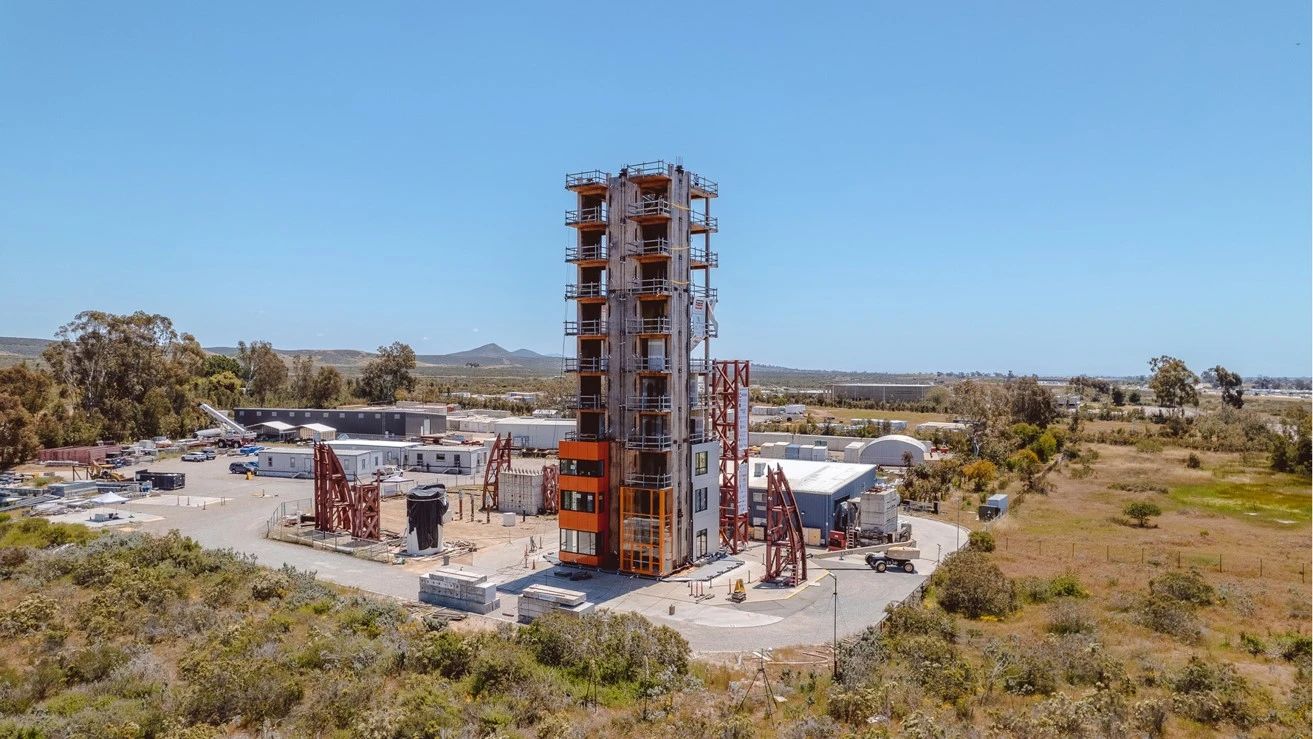
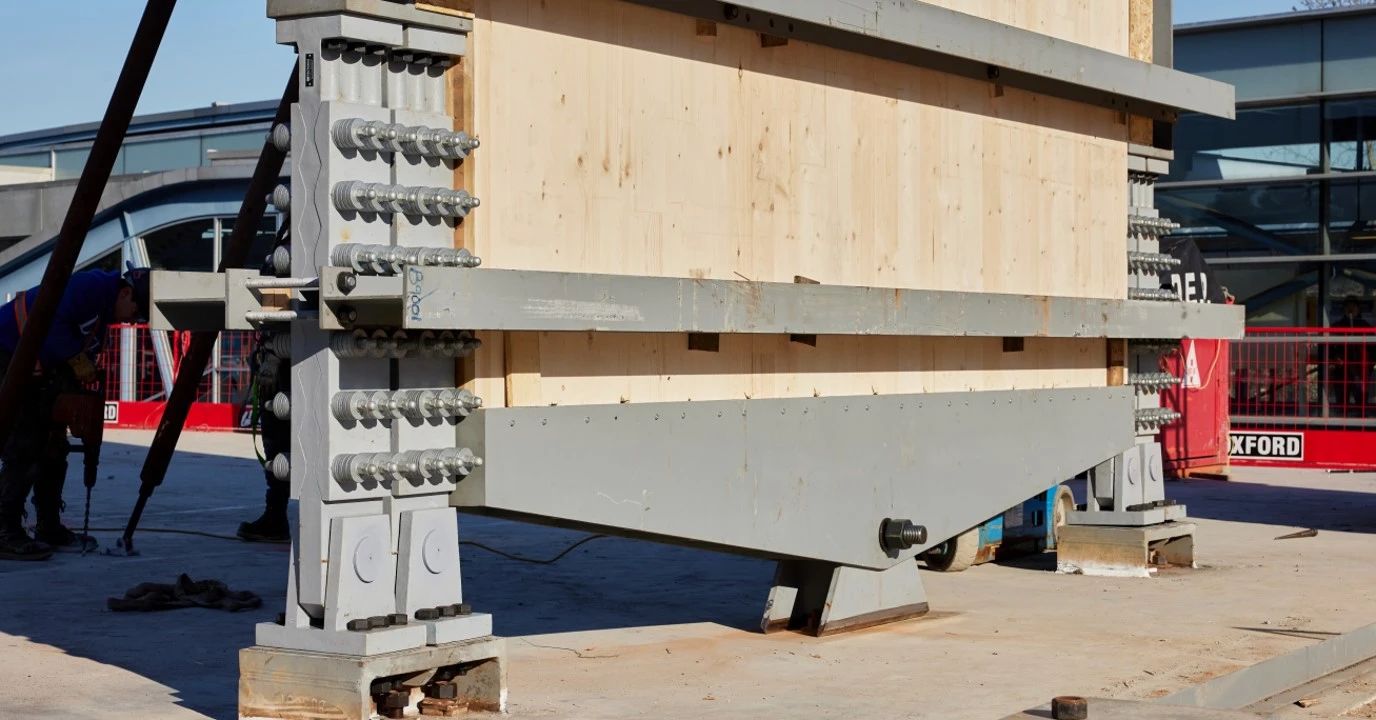
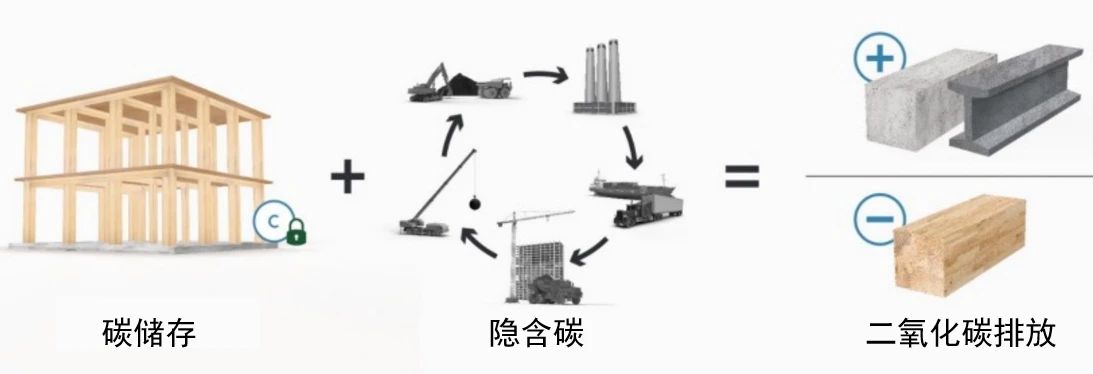
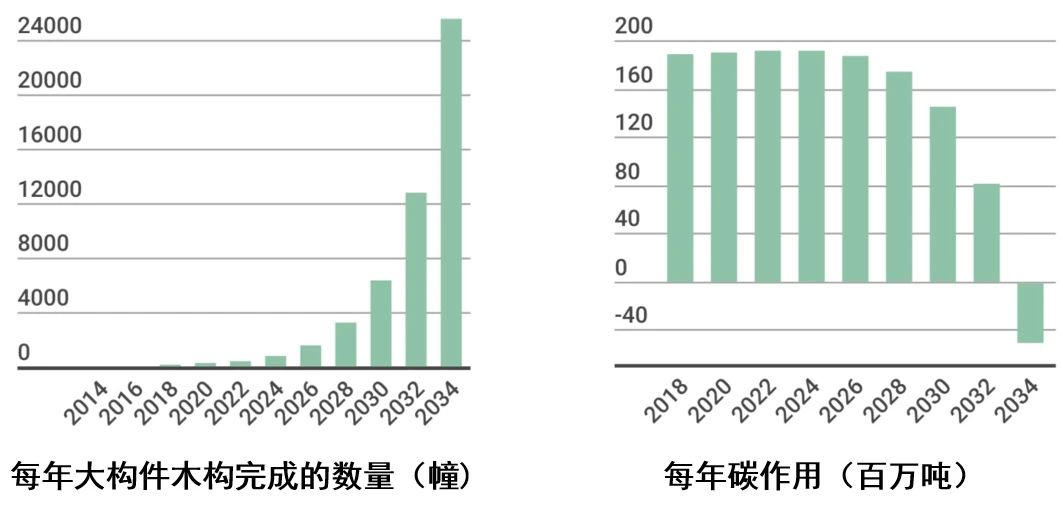
To expand the aid and research and development program for large timber structures, the US Congress encourages federal owned or assisted buildings and structures to prioritize the use of large timber structural materials. At the same time, the US military and other regulations prioritize large wooden structures in military projects. The adoption of regulations and standards for high-rise timber structures in various states At present, there is no unified national regulation in the United States. Each state adopts regulations formulated by regulatory agencies through legislation. Currently, more than 95% of states adopt high-rise wooden structure design regulations, and some states such as New York will modify them according to their own situation. After the regulatory amendment, buildings are allowed to be built up to 18 floors with different fire protection requirements for different heights.Seismic and Fire ProtectionIn 1985, Austrian experts developed CLT, which was widely used in Europe from the late 1990s to the early 2000s. In 2015, the United States began to promote and establish regulatory norms, which were officially formed in 2016. fire test Seismic and fire resistance tests were conducted in 2017, and the CLT fire resistance test passed in 2017。 Seismic test The initial draft of the high-rise wooden structure was formed in 2018, officially approved in 2019, written into regulations in 2021, and subjected to seismic testing for a 10 story building at the University of California, San Diego in 2023。 Seismic measures The 19 story giant plywood residential building and the ten story cathedral in Auckland adopt different seismic measures, such as dampers, to ensure safety even in earthquake zones.The greenhouse gas emissions from the built environment account for nearly 40% of the global total each year, and building materials have a significant impact on the global greenhouse effect. According to the United Nations forecast, by 2050, the global population will reach 9.7 billion, with two-thirds of them residing in cities or city centers. Schematic diagram of carbon storage for wooden products Based on dry weight, wooden products contain approximately 50% carbon. If carbon sequestration is considered together with hidden carbon, many wood products from forests with stable or increasing carbon storage have negative carbon dioxide values. Industry Goals in the United States The US industry has shifted from talking about zero carbon buildings to talking about negative carbon buildings, with the goal of having the construction industry's carbon storage exceed its carbon emissions by 2024.
|


 MR SHEN
 +86 18938073910







 +86 18938073910
 2570986365@qq.com
 Address: Group 31, Songnan Village, Shaxi Town, Taicang City, Suzhou, Jiangsu Province


